


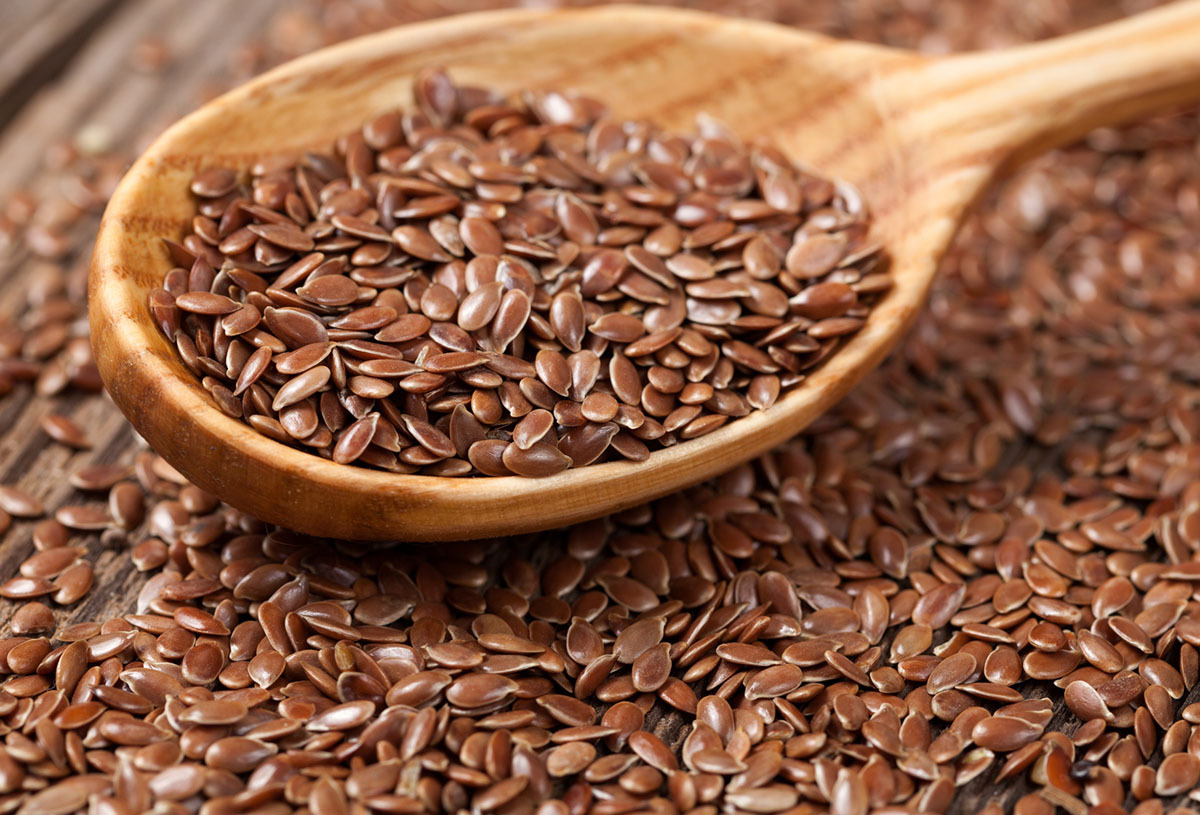
Linseeds/flaxseeds
Linseeds, also known as flax seeds, are small oil seeds with a wealth of health benefits. Let’s explore their nutritional value and advantages:
- Nutrition Facts:
- Calories: A tablespoon (10 grams) of whole flax seeds provides approximately 55 calories.
- Macronutrients:
- Fat: Comprising 42% of their content.
- Carbohydrates: Representing 29%, with an impressive 95% of that being fiber.
- Protein: Constituting 18% of flax seeds.
- Fiber: Flax seeds are a rich source of fiber, with 6 grams in just two tablespoons (20 grams). This fiber content aids in regulating blood sugar, promoting digestive health, and preventing constipation.
- Soluble Fiber: Helps regulate blood sugar and cholesterol levels while supporting gut health by nourishing beneficial gut bacteria.
- Insoluble Fiber: Contributes to the natural laxative effect of flax seeds.
- Health Benefits:
- Heart Health: The omega-3 fats in flax seeds may help lower total cholesterol, reduce inflammation, and decrease the risk of heart disease.
- Digestive Health: Flax seeds’ high fiber content promotes regularity and prevents constipation.
- Reduced Risk of Diabetes: Consuming flax seeds may help lower the risk of type 2 diabetes.
- Cancer Prevention: Some studies suggest that flax seeds may have protective effects against certain cancers.
- Incorporating Flax Seeds into Your Diet:
- Ground Flax Seeds: Grinding them maximizes their health benefits.
- Flaxseed Oil: Derived from processed flax seeds.
- Whole Flax Seeds: Can be added to smoothies, yogurt, oatmeal, or baked goods.
Remember, flax seeds are a versatile and nutritious addition to your diet. Whether you sprinkle them on your morning cereal or blend them into a smoothie, they offer a host of health benefits! 🌿🌟
Origin: Grown with care & pride in Moldova


