


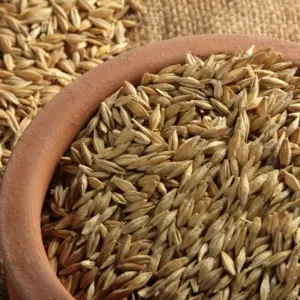

Buckwheat
Certainly! Let’s explore the benefits of buckwheat:
- Nutrient-Rich Pseudocereal:
- Buckwheat belongs to a group of foods known as pseudocereals. These are seeds consumed like cereal grains but don’t grow on grasses. Other examples include quinoa and amaranth.
- Despite its name, buckwheat is gluten-free and not related to wheat.
- It’s commonly used in various forms, including groats, flour, and noodles.
- Nutrition Facts (per 3.5 ounces or 100 grams of raw buckwheat):
- Calories: 343
- Protein: 13.3 grams
- Carbohydrates: 71.5 grams (mainly starch)
- Fiber: 10 grams (beneficial for colon health)
- Fat: 3.4 grams
- Blood Sugar Control:
- Buckwheat scores low to medium on the glycemic index (GI), meaning it doesn’t cause unhealthy spikes in blood sugar levels.
- Some soluble carbs in buckwheat, such as fagopyritol and D-chiro-inositol, help moderate blood sugar rise after meals.
- Rich in Fiber:
- Buckwheat contains a decent amount of fiber, which your body cannot digest.
- The husk of buckwheat groats is rich in fiber, including resistant starch. Resistant starch is fermented by gut bacteria, producing short-chain fatty acids (SCFAs) that improve gut health and reduce the risk of colon cancer.
- Heart Health and Antioxidants:
- Buckwheat is packed with antioxidants, which may support heart health.
- Its high mineral content contributes to overall well-being.
- Allergies and Downsides:
- While beneficial for most people, buckwheat may cause allergic reactions in some individuals.
In summary, buckwheat is a versatile and nutritious food that can be part of a healthy diet. It’s especially beneficial for heart health, blood sugar control, and gut health. Feel free to incorporate it into your meals! 🌾🍽️


