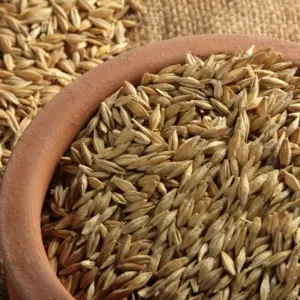
Wheat
Wheat, a cereal grain grown in many varieties worldwide, offers a range of nutritional benefits. Let’s explore them:
- Rich in Antioxidants: Wheat contains antioxidants that help protect your cells from damage caused by free radicals. These antioxidants contribute to overall health and may reduce the risk of chronic diseases.
- Vitamins and Minerals: Whole-grain wheat is a good source of essential vitamins and minerals. It provides B vitamins (such as thiamine, niacin, and folate), iron, magnesium, and zinc. These nutrients play crucial roles in energy production, immune function, and overall well-being.
- High in Fiber: Whole wheat is rich in dietary fiber, which supports digestive health. The fiber content in whole-grain wheat helps regulate bowel movements, prevents constipation, and supports a healthy gut.
- Heart Health: Studies suggest that consuming whole grains like wheat may reduce the risk of heart disease. The fiber and plant compounds in whole wheat help lower cholesterol levels and maintain cardiovascular health2.
- Weight Management: The fiber content in whole wheat contributes to satiety, helping you feel full and satisfied. Including whole grains in your diet may aid in weight management.
- Blood Sugar Control: Whole wheat has a lower glycemic index (GI) compared to refined wheat products. This means it has a slower impact on blood sugar levels, making it a better choice for people with diabetes.
- Plant Compounds: Wheat contains various bioactive compounds, including phenolic acids and flavonoids. These compounds have antioxidant and anti-inflammatory properties, potentially benefiting overall health.
- Digestive Health: The insoluble fiber in wheat bran adds bulk to stool and promotes regular bowel movements. However, some people with irritable bowel syndrome (IBS) may experience digestive symptoms due to small amounts of soluble fibers (fructans) present in wheat.
- Energy Source: Wheat provides carbohydrates, which serve as an essential energy source for the body. It’s a staple in many cuisines worldwide, contributing to daily energy needs.
- Celiac Considerations: While wheat offers health benefits, it’s essential to note that it contains gluten. Individuals with celiac disease or gluten sensitivity should avoid wheat products to prevent adverse reactions.
In summary, whole-grain wheat can be a valuable addition to a balanced diet, providing essential nutrients and supporting overall health. Remember to choose whole wheat over refined versions whenever possible for maximum benefits! 🌾🌟