


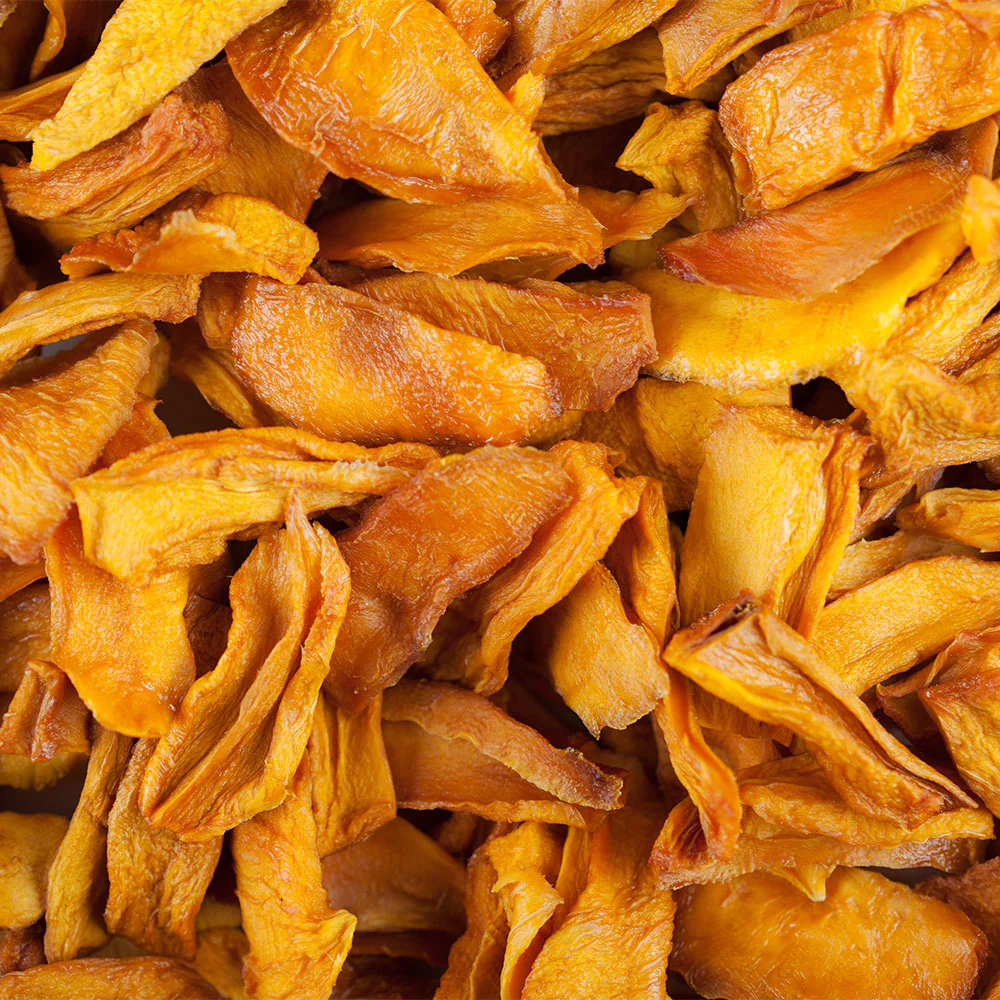
Dried mango
Dried mango is a dehydrated version of its fresh counterpart. The process of dehydration involves removing the water content from ripe mango slices, which helps preserve the fruit and intensify its flavor. When mangoes are in season, they are highly perishable, so drying them extends their shelf life and allows for use in other food products.
Here’s a breakdown of the nutrition and benefits of dried mango:
Nutrition:
A 1/4 cup (40 grams) serving of dried mango provides the following nutrients:
Calories: 128
Carbs: 31 grams
Fiber: 1 gram
Sugar: 27 grams
Protein: 1 gram
Vitamin C: 19% of the Daily Value (DV)
Folate: 7% of the DV
Vitamin A: 3% of the DV
Dried mango is a good source of vitamin C, which acts as a powerful antioxidant, supporting healthy skin and a strong immune system. It also contains vitamin A and folate, which contribute to eye health and DNA synthesis.
Benefits:
Mangoes, including dried mango, are rich in antioxidants such as polyphenols and carotenoids. These compounds may help reduce the risk of diabetes, cancer, and inflammation.
While the drying process affects some nutrients (such as beta carotene), dried mango still provides essential antioxidants like beta carotene, beta cryptoxanthin, luteoxanthin, and violaxanthin.
Dried mango also offers dietary fiber, which supports gut health.
Remember that dried mango is calorie-dense and naturally high in sugars, so moderation is key when enjoying this tasty snack! You can choose between sweetened and unsweetened versions, but be mindful of added sugars in the sweetened variety.


